Insulation removal in Norman OK - a clean attic floor before the new layer
Stained, matted or droppings-filled insulation in your attic? We take out what's ruined, clean the floor and get it ready for a fresh layer.
- Service
- Insulation removal
- Call
- (405) 561-8031
How do you know your old attic insulation should come out?
Brown rings or crusty patches
Stains on the insulation or the boards around it usually mean a roof leak or moisture that's been sitting up there a while. Wet insulation stays packed down and holds that water against the wood, so the longer it waits, the softer the framing gets and the more there is to haul out.
Droppings and chewed tunnels
Little pellets, nests and paths worn through the insulation mean mice, rats or squirrels have been living in it. That material holds the waste and the smell, so laying new insulation over it just buries the problem until the attic heats up and you smell it again.
A musty smell upstairs
A damp, stale smell or dark spots on the insulation and roof boards usually mean mold has a foothold. Soaked insulation doesn't dry out on its own up there, and mold can keep working into wood that's a lot harder to clean than insulation is.
Does old attic insulation need to come out before new goes in?
Insulation removal in Norman means taking old, damaged insulation out of your attic so the new layer starts on a clean, dry floor and the air in your house stays cleaner. We usually only pull it when it's wet, moldy, full of droppings or riddled with big gaps, because clean, dry insulation can often stay with new added on top.
Most people call because something in the attic looks wrong, or because they're planning a new layer and aren't sure what's under it. What you pay mostly follows the size of your attic and what's in the old insulation, since wet or droppings-filled material takes more care to bag out than clean, dry fill, and the schedule turns on how easy the attic is to reach and whether anything has to be handled first, like the leak that soaked it. Norman keeps its building permit information on the city's Development Services page, and since permit rules differ from city to city, we check with the city before work starts and pull a permit or walk you through getting one when the job calls for it. My written estimate gives you your own figure and shows what I found up there.
Details to note before an estimate
- Rough attic size in square feet
- Water stains or past roof leaks
- Droppings, nests or a musty smell
- Loose pebbly fill instead of fluff
How we handle insulation removal
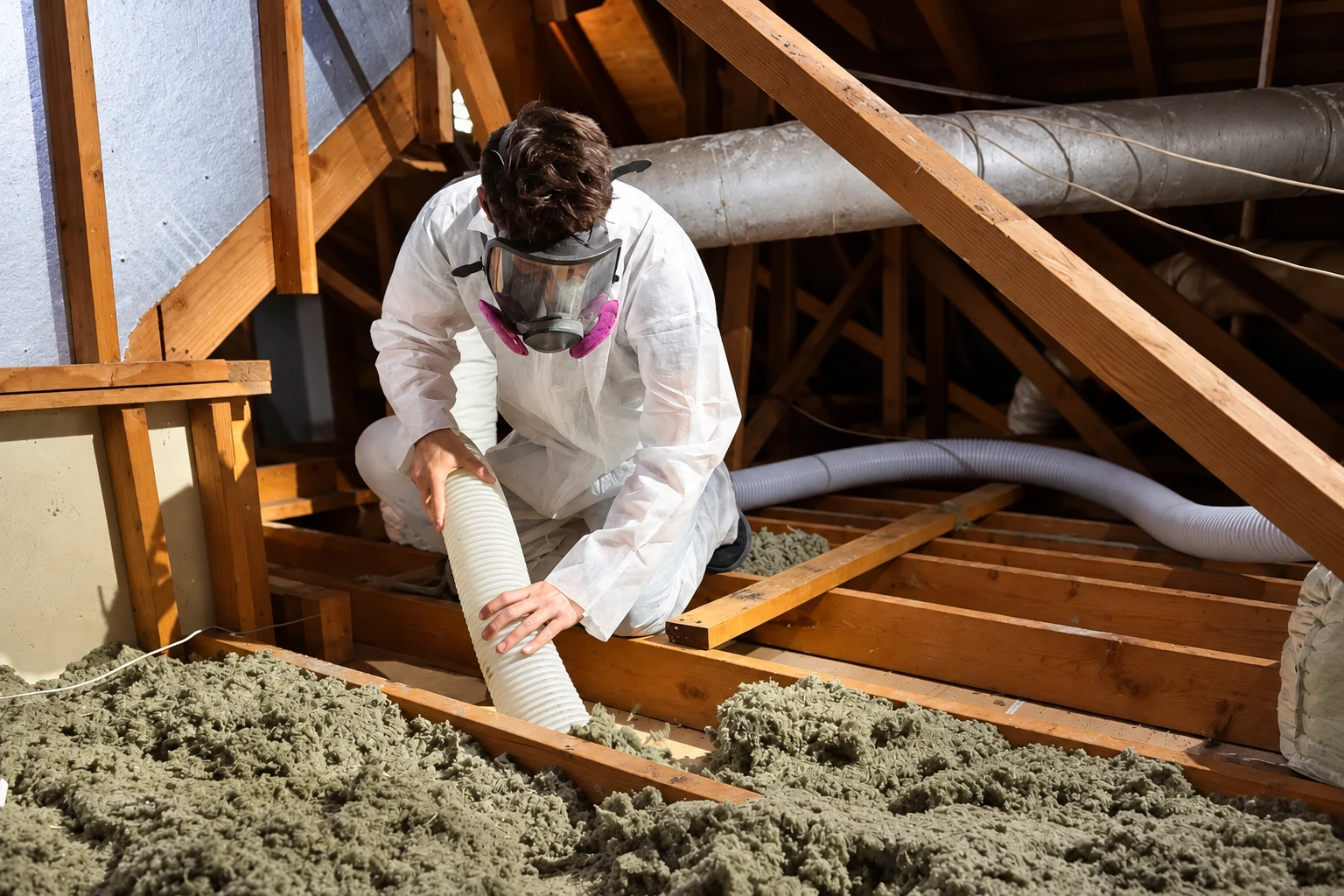
I start by looking for water stains, droppings and mold, because those are what decide whether the old insulation has to come out or whether new can go right on top of it. If I see something that might be vermiculite, we stop, leave it alone and I'll point you toward getting it tested by the right people, since that's not something to stir up. When removal is the right call, our crew covers a path through the house, vacuums the old material out through a long hose into bags and hauls it away, then cleans the attic floor so the new layer isn't sitting on whatever made the old one fail. Before anything new goes in, we seal the gaps around lights, pipes and the attic hatch and keep the vents at the eaves clear, because insulation over an open gap works about as well as a sweater with the zipper down.
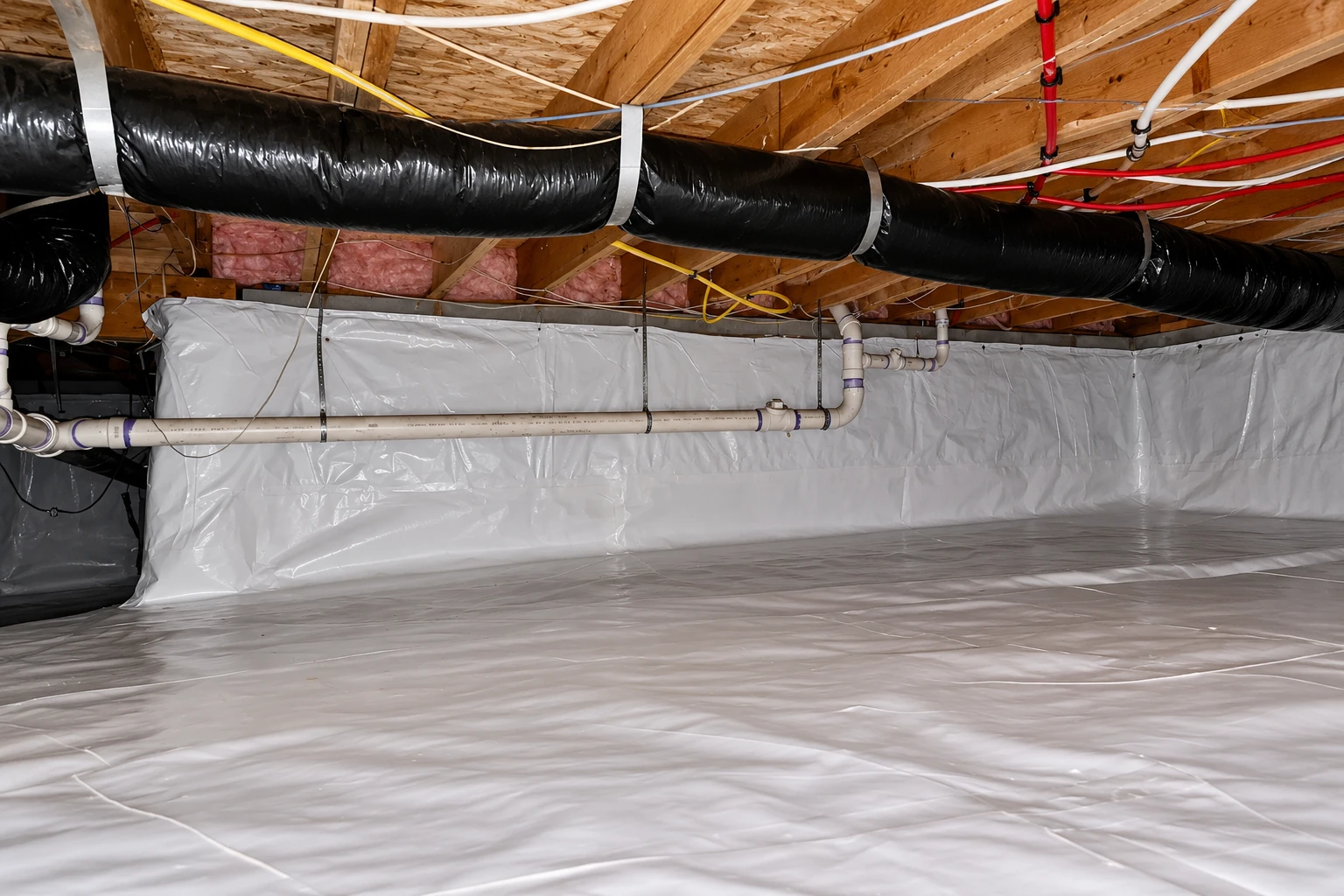
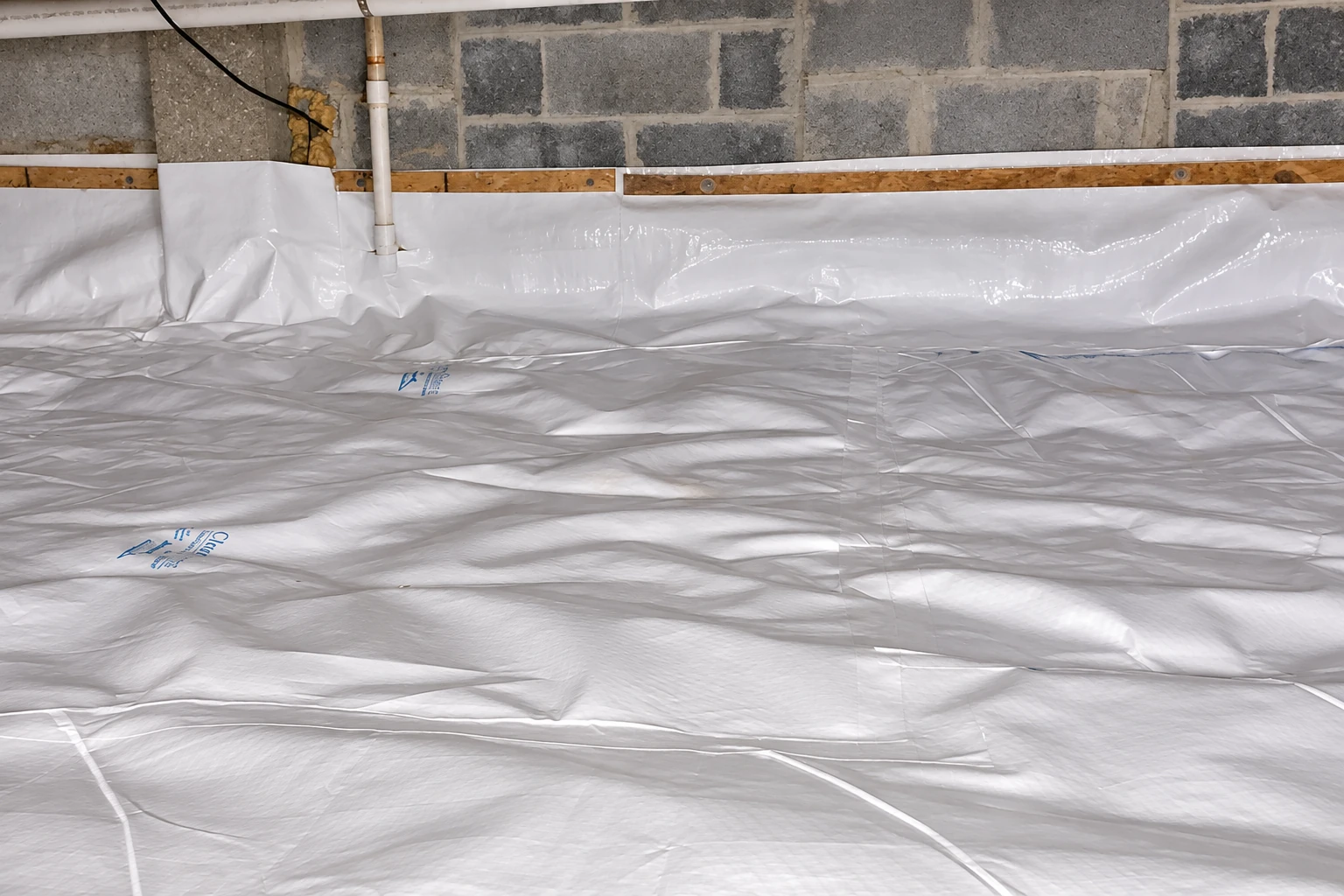
Taking the old layer out is usually the first half of the job, and the attic is rarely the only place a house loses heat. If your floors stay cold in winter, crawl space insulation under the house can matter as much as what's overhead, and a drafty room with empty cavities around it is a job for wall insulation. I'll tell you what I notice while I'm there, and you can decide what's worth doing.
Work that often goes with removal
Crawl space insulation
When the attic's finished and your feet are still cold, the space under the floor is the next place to look.
Wall insulation
A room that stays drafty with a fresh attic overhead often has walls with little or nothing inside them.
What happens after you call about insulation removal in Norman?
Call or send a message
Call (405) 561-8031 or use the form, and we'll get back to you to set a time for me to come out. Tell us anything you've noticed up there so I know what to look for.
I go through your attic
I come out myself, take photos and explain what I see before I suggest any work. You get it written up with what I found and what I'd do, so you can hold it up against anyone else's.
Our crew does the work
We take care of whatever has to come first, then take out what's ruined, seal the gaps and put in the new layer. The crew doing it is one I've trained.
I check it before we're done
I go back up and check the finished attic against what we agreed on before we call it done. Then I walk you through what's up there now.
Questions before you book insulation removal
How much does attic insulation removal cost in Norman?
Across the US, attic insulation removal usually runs about $1 to $2 per square foot of attic. That's the going range for the work nationally, not a quote, and soaked or fouled attics tend to land toward the top of it. Where your own attic falls is what the estimate is for.
Can new insulation go on top of old insulation in my attic?
Often it can, and finding that out first may save you paying for a removal job at all. If the old layer is dry and clean, new can usually go right over it, but wet, moldy or droppings-filled insulation should come out first or the problem just gets buried.
What should I do if my attic has vermiculite insulation?
Leave it alone, because the EPA says to treat vermiculite as if it contains asbestos and either leave it undisturbed or have a trained professional remove it. It's a loose, pebble-like fill, usually gray-brown or silver-gold, and if you choose removal, the EPA recommends an accredited asbestos abatement contractor that's separate from whoever assessed it, so the advice has no stake in the removal job. Norman's transfer station won't take asbestos, so settle with that contractor up front where the waste is going.
Who is allowed to remove asbestos insulation in Oklahoma?
In Oklahoma, a company removing asbestos material that can crumble needs an asbestos abatement contractor license from the Oklahoma Department of Labor. The state also licenses the individuals who inspect and test for asbestos and who supervise removal on site, so it's fair to ask your tester and your removal crew for theirs. We're licensed and insured for insulation work, but we don't take out vermiculite. We point you to the people who do.
How do I compare insulation removal quotes?
Ask each contractor to price hauling, air sealing and any treatment of the attic floor as separate lines, because removal quotes often differ simply by covering different work. Air sealing means closing the gaps before new insulation goes in, and on a fouled attic the floor may need treating too, so a low number can just mean those got left out. My estimate is written up so you can line it up against anyone else's.
How do I get my attic ready for insulation removal?
Clear out the boxes, old junk and anything else stored up there before the crew comes, since less to move means fewer hours spent getting the space ready. If something's too heavy or awkward to bring down, tell us when you call so we can plan around it.
Get a free look at your old attic insulation
We reply to every call and message within one business day to set up a free on-site estimate, and there's no pressure to book. I come out myself, go through the attic, show you what I find and write it up so you can compare it with anyone else's.
Explore our services and areas
Services
- Spray foam insulation
- Attic insulation
- Blown-in insulation
- Home insulation
- Crawl space insulation
- Wall insulation
- Air sealing services
- Basement insulation
- Closed-cell foam insulation
- Open-cell foam insulation
- Commercial insulation
- Crawl space vapor barrier
- Vapor barrier installation
- Attic air sealing
- Retrofit insulation
Find out what's really in your attic
Call (405) 561-8031 or send the form with your rough attic size and any stains, droppings, mold or gaps you've seen, and I'll know what to look for before I climb the ladder.