Basement insulation in Norman OK - warmer floors and walls that don't trap damp
Cold floors upstairs or a musty basement? We deal with water first, then insulate with material that won't soak up damp.
- Service
- Basement insulation
- Call
- (405) 561-8031
How can you tell your basement needs insulating?
Cold floors over the basement
If the floor in the rooms above stays cold underfoot all winter, heat is usually slipping out through bare foundation walls and the rim joists, the band of wood that sits on top of the concrete. Leave it, and you keep paying to warm a basement that hands that heat straight to the ground outside.
Musty smell or damp spots
A musty smell, white powder on the concrete or dark spots low on the wall usually mean moisture is getting through. That needs sorting out first, because insulation put over a wet wall holds the damp in and the smell only gets worse.
Drafts at the top of the wall
Cold air where the floor framing meets the foundation, or cobwebs that sway there, means the gaps around pipes, wires and the rim joists are open. Insulation alone won't stop moving air, so the draft you feel upstairs keeps coming back no matter where you set the thermostat.
Is your Norman basement ready to insulate?
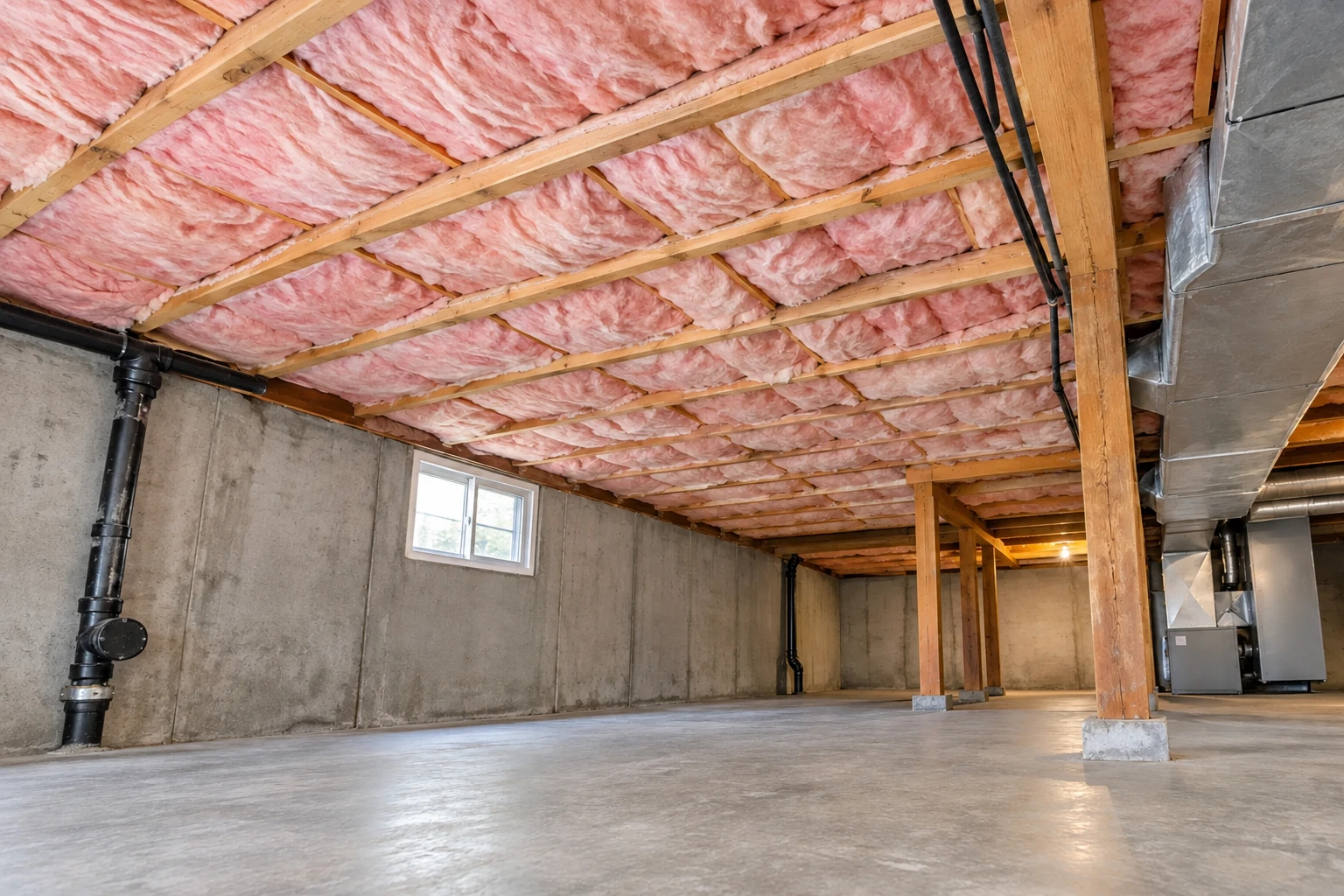
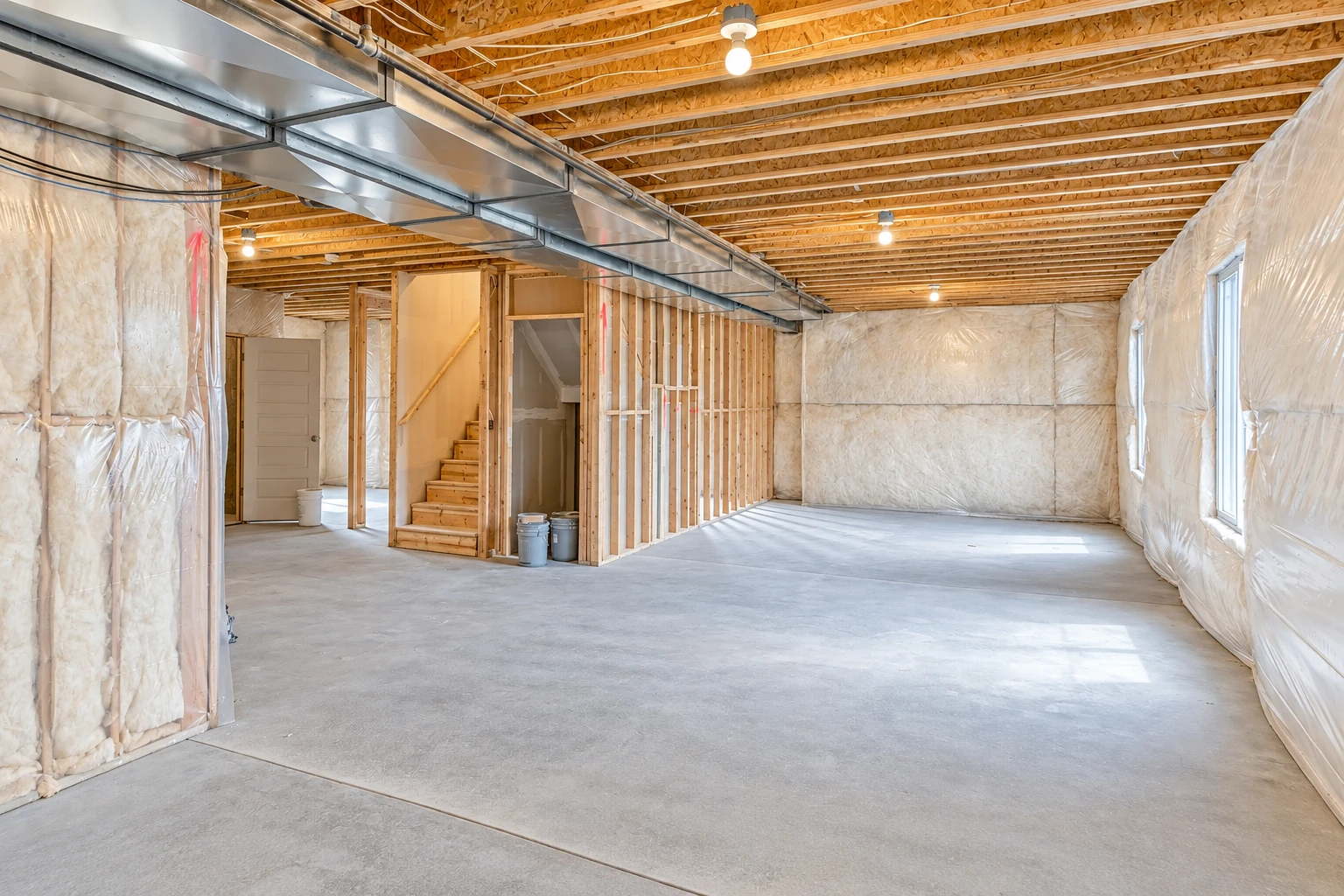
Basement insulation in Norman covers the foundation walls and the rim joists, the wood framing that sits on the concrete under your first floor. Done well, it helps keep moisture under control and keeps the heat you pay for from soaking into the concrete.
Most people who call Insulcraft Norman Spray Foam Insulation about a basement have a cold floor upstairs, a damp corner or a room they'd like to finish someday, and they want to know if the walls are ready. The price mostly turns on how much wall there is, whether water has to be fixed first and which material goes against the concrete, and the schedule turns on that water work and any permit or inspection the city wants. Your own figure comes from the estimate I write up after walking the basement.
Details to note before an estimate
- Rough length and height of the walls
- Any spots where water has come in
- Fuel your furnace and water heater use
- How you plan to use the space
How we handle basement insulation
Water coming in gets dealt with before anything goes on the walls, because insulating over a leak is like pulling a dry sweater on over a wet shirt. Once the walls are dry, our crew seals the gaps around pipes, wires and the rim joists so air isn't running behind the insulation, and then we put up the insulation itself. The part I'll spend the most time explaining is the material sitting right against the concrete, since that layer decides how the whole job holds up. Concrete in a basement picks up damp from the ground even when it looks dry, so whatever touches it has to be able to get damp without holding onto it.
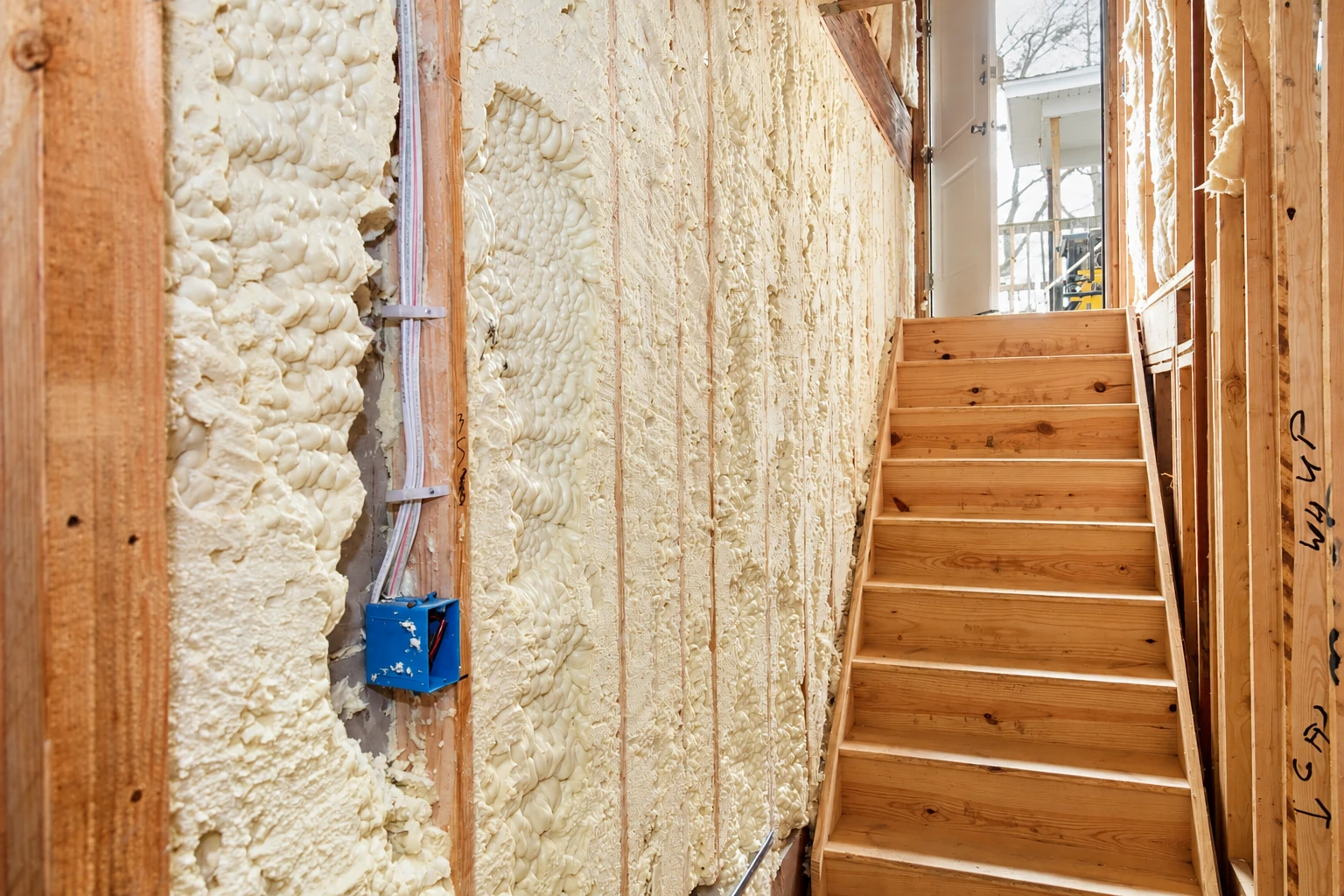
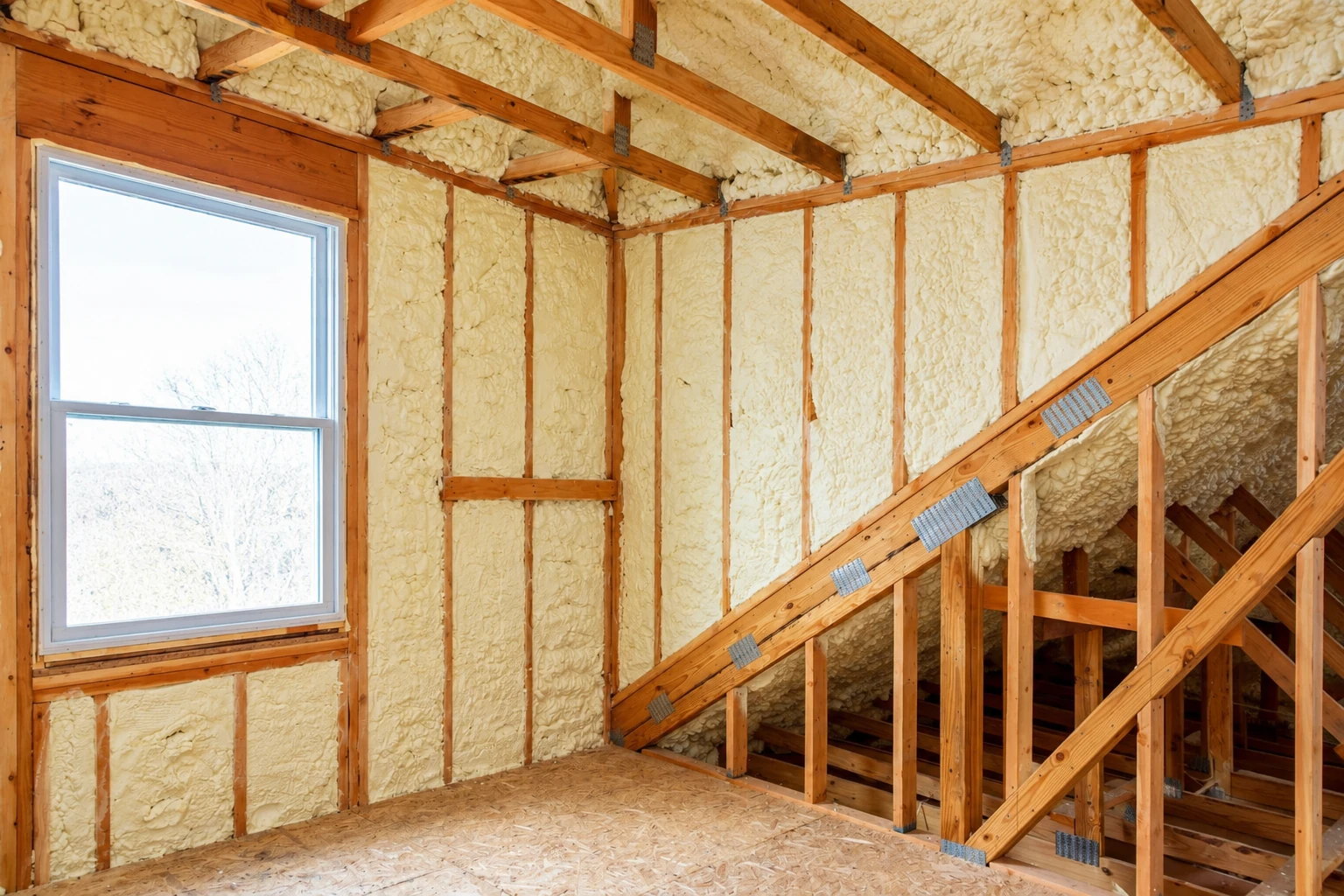
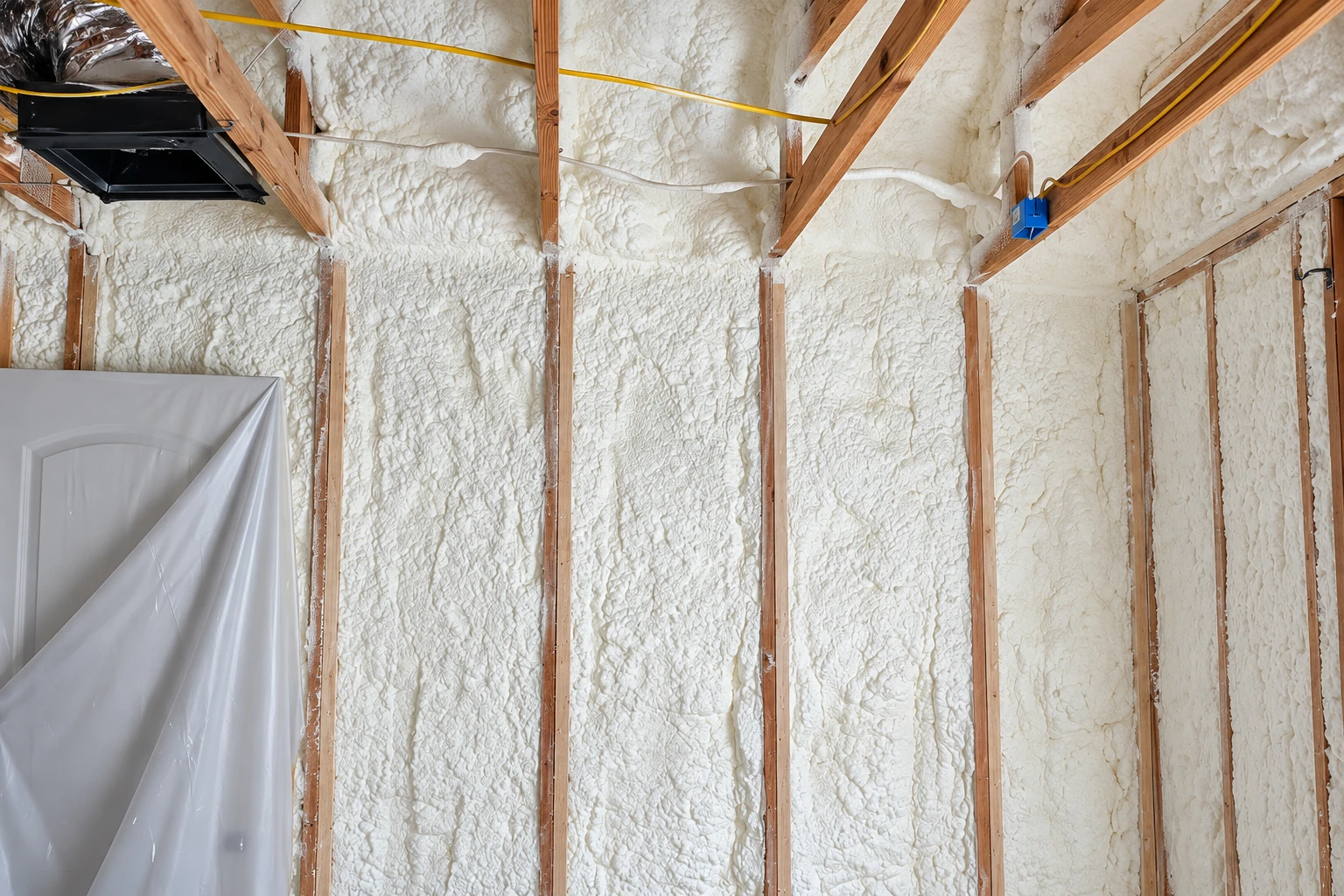
On a wall that gets damp, the material that handles it best is closed-cell foam insulation, the dense foam that blocks moisture and seals air in the same coat. Open-cell foam insulation is lighter and softer, and it usually suits the walls and rooflines upstairs better than basement concrete, so if you're doing more of the house it's worth asking about both.
Other work that often goes with it
Closed-cell foam insulation
Worth asking about when a basement wall gets damp, since it insulates and holds back moisture in one layer.
Open-cell foam insulation
A lighter foam that fits the walls and rooflines above the basement if you're insulating more than one floor.
What happens after you call about your basement?
Call or send a message
Call (405) 561-8031 or fill out the form, and we'll set a time for me to come out. It helps to tell us what you've noticed, like a cold floor or a damp corner.
I walk the basement myself
I go over the walls and rim joists, take photos and explain what I see before I suggest any work. You get it written up so you can compare it with anyone else's and see exactly what's driving the price.
Fix, seal, then insulate
Our crew fixes whatever has to come first, seals the gaps and puts in the insulation. If the job has a permit, the inspection happens before anything covers the work, because the city charges a missed-inspection fee and makes covered work get opened back up.
I check the finished work
Before we call it done, I check the work against what we agreed on. Then I walk you through it, so you know what's behind your walls when you plan the next repair.
Questions before you book basement insulation
Should I fix leaks before insulating my basement?
Yes. Federal energy guidance says to check basement walls for water coming in and fix it before insulating, and to steer moisture sources away from the foundation walls. Insulation covers the wall up, so a leak you can see today turns into a damp wall you can't. If I find water on the walk-through, I'll show you where it's coming from.
What is the best way to insulate a basement wall that gets damp?
Closed-cell spray foam against the concrete gives the best moisture control of the inside-wall options, according to national energy research, because fiberglass or cellulose touching a basement wall can soak up moisture and stay damp. If fiberglass goes on a framed wall anyway, the same guidance says to leave plastic sheeting and foil-faced board off the room side, since they can trap moisture in the wall. Kraft-faced batts or latex paint on the drywall do that job instead.
How much does basement insulation cost in Norman?
Insulating a basement usually costs about $4.40 to $6.40 per square foot across the US, which is a national figure and not our price. What moves it most is how much wall you have, whether water needs fixing first and which material goes against the concrete. Spray foam also has to be covered with ignition-barrier paint or drywall, so ask whether any estimate you get includes that covering.
Who handles building permits for basement insulation in Norman?
The City of Norman's Development Services Division issues building permits and handles inspections, and its permits line is (405) 366-5339. Permit rules differ from city to city, so we check with that office before work starts, and when a job calls for a permit we pull it or walk you through getting one. We're licensed and insured.
Do I need to worry about my gas furnace or water heater when I insulate the basement?
It's worth checking, yes. Federal guidance says fuel-burning appliances like a gas furnace or water heater should be checked to make sure they run safely both before and after a basement is sealed and insulated. If yours aren't sealed-combustion units, the kind with their own inlet pulling air from outside, the guidance says a qualified contractor should assess them, so tell me what's down there and I'll point it out on the walk-through.
How do I decide whether to insulate the basement walls or the ceiling?
If you'll ever use the basement as living space, insulate the walls. National guidance says the ceiling is the place only when the house is in a dry climate and the basement won't be lived in. Either way, insulating and air-sealing the rim joists is a critical step, and that's usually done with rigid foam or spray foam.
Get a written estimate for your basement walls
We reply to every call and message within one business day to set a time that suits you. The estimate is free and done on site, and there's no pressure to book. I come out myself, show you what I find with photos and write it all up for you.
Explore our services and areas
Services
- Spray foam insulation
- Attic insulation
- Blown-in insulation
- Home insulation
- Insulation removal
- Crawl space insulation
- Wall insulation
- Air sealing services
- Closed-cell foam insulation
- Open-cell foam insulation
- Commercial insulation
- Crawl space vapor barrier
- Vapor barrier installation
- Attic air sealing
- Retrofit insulation
Book a look at your basement walls
Have a rough wall size, any spots where water's shown up and what your furnace and water heater burn, and I'll know what to look for before I get there.